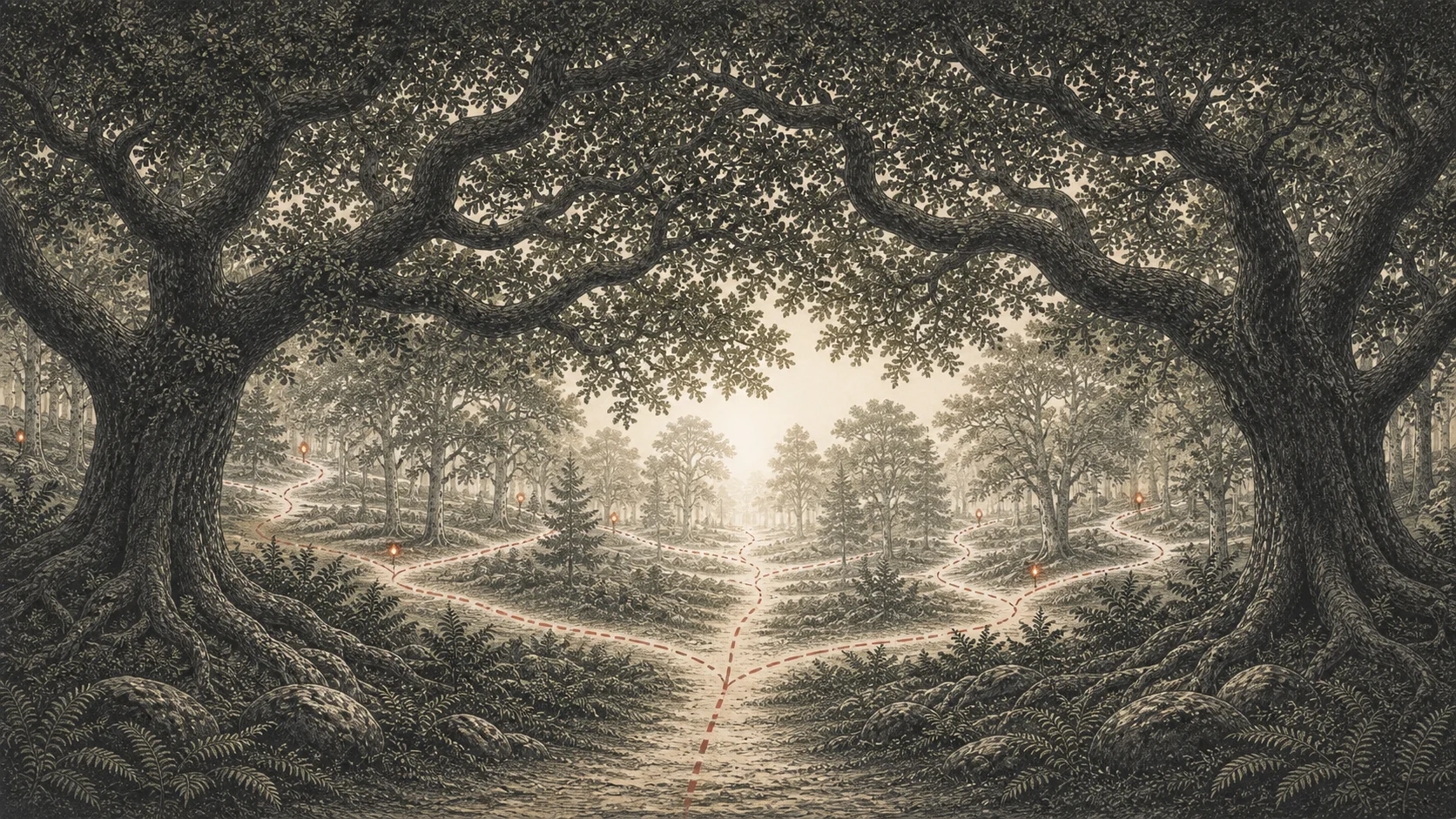
Buyers traded the token. The team shipped a dashboard. Behind it, the router either forwarded every request to one model or never existed.
The missing product
Model routing has moved past a dropdown full of brand names. Price, latency, context limits, and answer quality change by provider, model, and prompt. Models fail. Providers throttle. The right route for a coding agent can waste money on a classification call. A useful router measures those differences, enforces a budget, and improves its decisions with real usage.
I also watched the API turn into a tollbooth maze. To test a handful of models, a builder opens accounts, prepays balances, manages keys, and absorbs minimums across providers. Crypto projects added a coin on top and called the added friction access. I think of that as the ponzi-fication of the API: speculation arrives before the service.
Lower the barrier
Robinhood changed finance for ordinary users by cutting commissions and account friction. Manyways is a smaller bet in a different market. A builder should be able to compare models for free, sign in once, and reach the field through one key. A prompt should come before a procurement process.
Manyways does the honest first part today. You can send one prompt to two live models, inspect the output and price, then create an API key by signing in with a wallet. There is no deposit or personal balance. The router is explicit today. We will build intelligent routing next from measured requests.
Use the token to buy access
The guardrails matter as much as the access. Free comparison needs rate limits. A shared inference pool needs per-wallet caps, spend ceilings, and abuse controls so one script cannot drain what token fees support. I plan to direct $MANY fees toward that shared pool and keep model access open for as long as the economics support it.
The subsidy lasts only as long as the pool can pay for requests. We will use fees to buy inference, divide access across users, and publish the route and cost. If the pool lasts a month, we learn from a month of real usage. If it lasts years, more builders get years of access.
Build the thing
Some earlier projects were scams. Some were people role-playing infrastructure. I am tired of pretending the first working version requires a research lab. It requires a live catalog, metered requests, honest limits, and the willingness to keep the router running after the token launch.
We can build this in public. Try the router. Push on the limits and tell me where it makes the wrong choice. I would rather improve a working route with users than publish another diagram about a future one.